

Thimphu
Western Bhutan
Thimphu’s transformation from a rural valley into Bhutan’s capital is recent by the standards of the Himalayas. The town did not begin to grow as a city until it was formally made the capital in 1961. The first vehicles arrived the following year, and much of Thimphu remained rural into the late 1970s. As the capital expanded, fields and farmhouses gradually gave way to homes, offices, shops and hotels. Even into the early 1990s, however, farming remained part of life in the valley, and many residents still lived in rural communities within what is now considered the capital area.
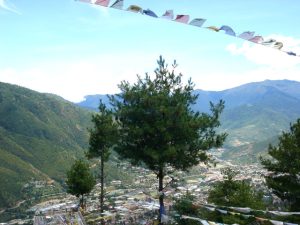
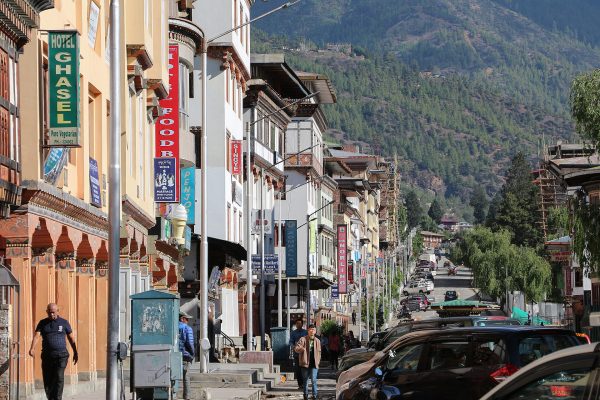
Today, Thimphu is Bhutan’s largest city and its centre of government, business and education. It lies along the Wang Chhu River in a broad mountain valley, where prayer flags and traditional buildings share the landscape with cafés, shops and modern hotels. The city has grown quickly, but it retains a quieter, more personal feel than many capitals. People still gather at neighbourhood temples and chortens, and the surrounding hills are never far from view.
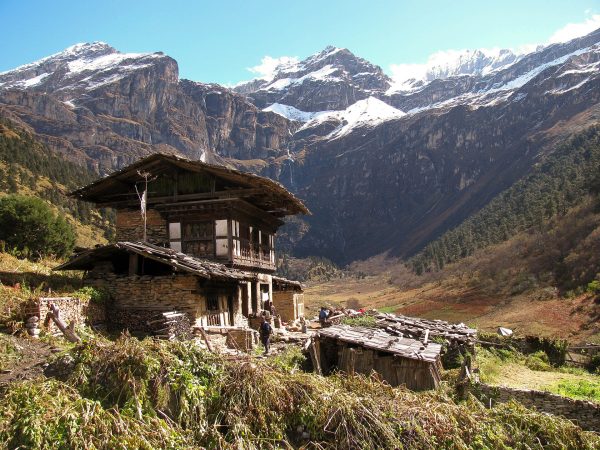
It is useful to distinguish Thimphu city from Thimphu Dzongkhag, the district. The city occupies only part of the valley, while the district extends far beyond the urban centre, reaching remote northern communities such as Lingshi and areas east toward the Punakha region. A visit to Thimphu can therefore include both city landmarks and nearby villages, monasteries and mountain trails.
Landmarks and spiritual life
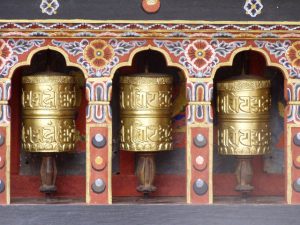
The National Memorial Chorten is one of the city’s most active religious sites. Throughout the day, residents walk clockwise around the white stupa, turn its prayer wheels and offer prayers. Visiting provides a glimpse of everyday devotional life, not just a monument to admire.
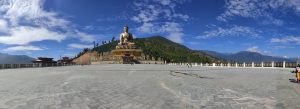
Above the city, at Kuenselphodrang, the enormous Buddha Dordenma looks across the valley. The hilltop setting offers broad views of Thimphu and the surrounding mountains, while the statue has become one of Bhutan’s most recognisable landmarks.
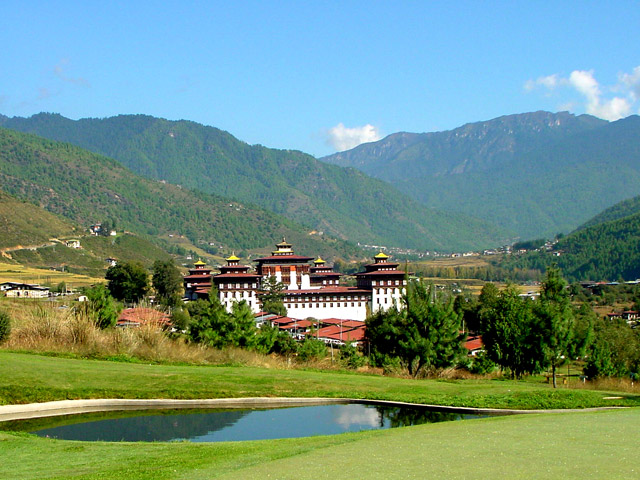
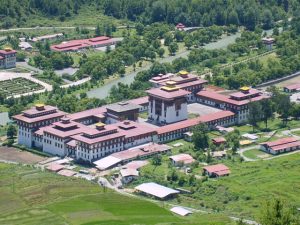
At the northern edge of the city stands Tashichho Dzong, a striking fortress-monastery beside the Wang Chhu. It is an important centre of government and religious life, and the setting for the annual Thimphu Tshechu. During the festival, the dzong’s courtyards fill with people watching masked dances and religious performances. The dates follow the Bhutanese calendar and change each year.
Arts, crafts and markets
Thimphu’s museums and workshops offer an introduction to Bhutanese traditions and the skills that keep them alive. The Textile Museum explores the country’s distinctive weaving styles and the place of textiles in daily and ceremonial life. At the Institute for Zorig Chusum, students learn traditional arts and crafts, including painting, wood carving and embroidery. The Folk Heritage Museum presents aspects of rural life through a traditional house and displays of household objects and customs.
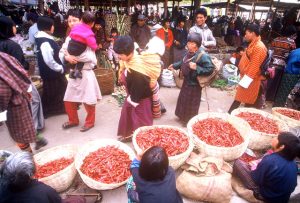
Markets bring another side of the city into view. The weekend market is a lively place to browse local produce and ingredients such as chillies, cheese, grains and pickles. Nearby shops and craft stalls sell textiles, handmade paper, paintings, woodwork and other locally made goods. Take time to look closely: traditional pieces can involve many hours of skilled work.
Food and city life
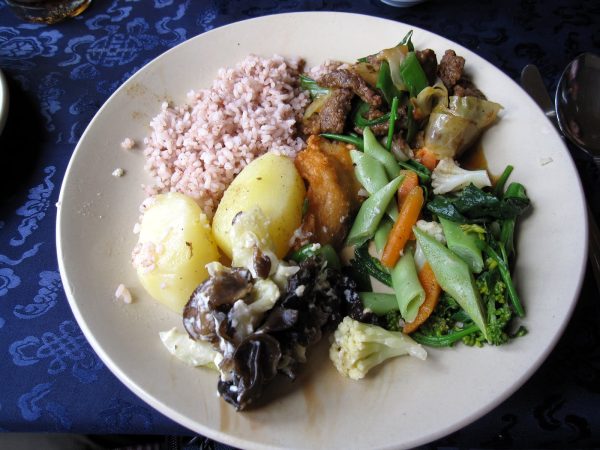
Food is an essential part of a stay in Thimphu. Bhutanese meals often feature red rice, vegetables, cheese and chilli. Ema datshi, made with chillies and cheese, is a familiar favourite; visitors can ask for a milder version if they prefer less heat. The city also has cafés and restaurants serving regional Himalayan and international food, making it easy to try local dishes at your own pace.
Thimphu is often described as the world’s only capital without traffic lights. A traffic signal was reportedly installed at a busy junction and removed soon afterward following public criticism. Today, uniformed traffic police direct vehicles by hand at key intersections. The policemen are a distinctive part of the city scene, though traffic operates differently at night.
Beyond the streets
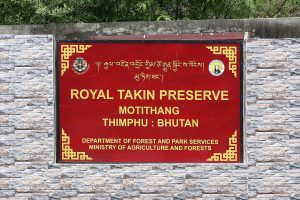
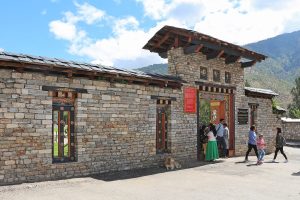
Nature and quiet religious sites are close at hand. The Motithang Takin Preserve gives visitors a chance to see Bhutan’s national animal in a wooded setting. Viewpoints above the city reveal the valley from a different angle, while day walks lead to forested ridges and monasteries such as Tango and Cheri. These are active religious places, so modest clothing and respectful behaviour are appreciated.
Thimphu is more than a stop between Paro and Bhutan’s central valleys. Spend time walking its streets, visiting a market, sitting quietly at a chorten or watching the evening light settle over the mountains. The city offers a rewarding introduction to Bhutan: a capital shaped by rapid change, yet still closely connected to its spiritual life, craftsmanship and rural roots.
- Best time to visit
- March to May, September to November
- Getting there
- By road from Paro, about 1 to 1.5 hours
- Suggested stay
- 2 to 3 nights
Places in and around Thimphu
Groups always run in this order. Inside each group, the must-see picks come first; hikes and places to stay follow the order Windhorse recommends.
Sights and attractions in Thimphu
38-
Sight
Drive Thimphu to Gangtey
Embarking on the 125-kilometer, 5-hour journey from Thimphu to Gangtey in Phobjikha Valley promises an enchanting experience through Bhutan's diverse landscapes.
-
Sight
Lungchutse Hike
Starting at Dochula Pass (3100m), the trail gradually ascends through a forest of hemlock, birch, and rhododendron. It's a well-marked path winding through ancient forests with towering trees.
-
Sight
Thimphu to Paro Road
The drive to Paro from Thimphu takes about 1hr. covering distance of 55 km. The road has been recently broadened.
-
Sight
Day Excursions from Thimphu
Outside of Thimphu, there are number of interesting sights that you can visit.
-
Museums & Institutions
Draktsho Institute
Draktsho is a vocational training Centre in Thimohu providing supportive services or persons with disabilities.
-
Stupas & Chortens
Druk Wangyel Chorten
The 108 chorten or stupa of Druk Wangyel Khangzang is strategically constructed high on the Dochula Pass under the patronage of Queen Mother Ashi Dorji Wangmo Wangchuck.
-
Temples & Monasteries
Druk Wangyel Lhakhang
The Druk Wangyel Lhakhang constructed under the patronage of Ashi Dorji Wangmo Wangchuck, the eldest queen mother, for a memorial to celebrate the 100 years of monarchy in Bhutan.
-
Temples & Monasteries
Buddha Dordenma
Great Buddha Dordenma is a gigantic Shakyamuni Buddha statue located on Kuensel Phodrang ridge overlooking the city.
-
Museums & Institutions
VAST
Voluntary Artist's Studio, Thimphu located along Chang Lam is a busy place with after-school and weekend drawing and painting classes for youngsters conducted by volunteer artists.
-
Temples & Monasteries
Wangditse Goemba
A one-hour walk uphill from the telecom tower takes you to 1750 by the attendants of Bhutan's eighth desi, Druk Rabgye, and was renovated in 2001.
-
Temples & Monasteries
Drolay Goemba
It's a two to three-hours round trip from the parking lot below Tango Goemba to Drolay Goemba at 3400m.
-
Temples & Monasteries
Dechen Phodrang
Dechen Phodrang is the site of Thimphu's original Trashi Chhoe Dzong. Since 1971 it has housed the state monastic school.
-
Sight
Road to Gangtey to Paro
The drive from Gangtey to Thimphu takes about 5 hours, covering 174 km.
-
Temples & Monasteries
Changangkha Lhakhang
Changangkha Lhakhang is an old fortress like temple and monastic school perched on a ridge above Thimphu.Established in the 12th century on a site chosen by Lama Phajo…
-
Nature & Viewpoints
Sangaygang View Point (Telecom Tower)
From here it overlook beautiful Thimphu valley below. It is below the Telecommunication tower (2685m). The vicinity also houses the broadcasting studios of Bhutan television.
-
Museums & Institutions
Changlimithang Stadium
The national stadium occupies the site of the 1885 battle that helped establish the political supremacy of Ugyen Wangchuck, Bhutan's first king.
-
Museums & Institutions
National Library of Bhutan
National Library was first established in 1967 with a small collection of precious texts and was initially housed within the central tower of Tashichodzong.
-
Museums & Institutions
National Textile Museum
The National Textile Museum, which opened in June 2001, is worth a leisurely visit to get to know the living national art of weaving.
-
Museums & Institutions
National Institute for Zorig Chusum
The National Institute for Zorig Chusum Pedzoe (School of Arts and Crafts) is commonly known as "the painting school".
-
Dzongs & Fortresses
Simtokha Dzong
It is the first of Shabdrung Nawang Namgyal's Dzong or fortress built in 1629. It is much smaller compared to most other Dzongs in Bhutan.
-
Temples & Monasteries
Zangto Pelri Lhakhang
Located near the Weekend Market area is one of the tallest temples and was built in 1990s by a local resident. Zangdopelri refers to the celestial abode of Guru Rinpoche.
-
Nature & Viewpoints
Takin Preserve
The Takin Preserve, situated in the upper Motithang area, serves as a wildlife reserve for the Takin, Bhutan's national animal.
-
Temples & Monasteries
Zilukha Nunnery
Zilukha nunnery is located on the slopes, looking down at Golf course and Tashicho Dzong with around 70 or so resident nuns.
-
Stupas & Chortens
Memorial Chorten
Memorial Chorten is a large white structure with a golden spire crowning it, and is one of the most visible landmarks of Thimphu.
-
Temples & Monasteries
Phajoding Monastery
Perched at an altitude of 3,600 meters and nestled above Thimphu, Bhutan's capital city, Phajoding Monastery offers breathtaking views of the valley below.
-
Temples & Monasteries
Trashigang Goemba
Trashigang Goemba located on a hilltop at 3200m was founded in 1768 by the 12th Je Khenpo, Kunga Gyatso. There is a monastery and few temples and several retreat houses.
-
Temples & Monasteries
Thadranang Goemba
A strenuous two-hours uphill hike leads to Thradanang Goemba (3270m). Start at the Yangchenphu High School and climb steeply up the ridge through the blue-pine forest
-
Temples & Monasteries
Lungchutse Temple & Retreat Center
Starting at Dochula Pass (3100m), the trail gradually ascends through a forest of hemlock, birch, and rhododendron. It's a well-marked path winding through ancient forests with towering trees.
-
Temples & Monasteries
Talakha Goemba
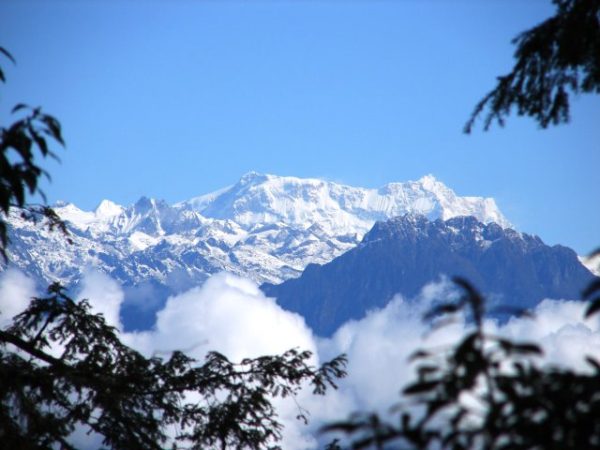
The 15thcentury Talakha Goemba (3080m) offers spectacular views of the Bhutan Himalaya and Thimphu valley.
-
Temples & Monasteries
Tango Goemba
Lama Gyalwa Lhanangpa founded the goemba in the 12th century.Driving north up the valley takes 35 mins to Begana. A few kilometers beyond this takes to trail head.
-
Temples & Monasteries
Cheri Gompa Monastery
It (2850m) was first built in 1620 by Shabdrung and it was here that the central monastic body (Dratsang) was first established.
-
Museums & Institutions
Folk Heritage Museum
Folk Heritage Museum or Phelchey Toenkhyim Museum is housed in a 19th century three-storey traditional rammed mud and timber house in Kawangjangsa, Thimphu.
-
Dzongs & Fortresses
Tashichho Dzong
In 1216 Lama Gyalwa Lhanangpa built Dho-Ngen Dzong (Blue Stone Dzong) on the hill above Thimphu where Dechen Phodrang now stands.
-
Museums & Institutions
National Institute of Traditional Medicine
Established in 1988, one of the more interesting facilities in Thimphu is the National Institute of Traditional Medicine.
-
Museums & Institutions
Choki Traditional Art School
The Choki Traditional Art School in Thimphu, Bhutan, specializes in teaching Bhutanese traditional arts, notably thangka painting, a Tibetan Buddhist art form depicting deities and scenes from Buddha's life.
-
Museums & Institutions
Bhutan Postal Museum
The museum features images that chronicle this journey, along with rare artifacts and Bhutan’s unique stamps, highlighting the nation's rich traditions and cultural heritage.
-
Temples & Monasteries
Shechen Orgyen Chodzong Nunnery
Shechen Orgyen Chodzong Nunnery is situated in a secluded area known as Sissinang, south of Thimphu, along the route to Paro.
-
Temples & Monasteries
Dodeydrak Monastery
The hike to Dodey Drak Monastery offers not only spiritual significance but also breathtaking views of the surrounding mountains and valleys.
Nothing matches these filters in Thimphu yet. Choose another type or a lower star rating.
Festivals in Thimphu
3-
Festival
Dechenphu Tshechu
Dechenphu Tshechu Festival is held at the Dechenphu monastery in the northern part of Thimphu valley, near Dechencholing. It is a vibrant homage to Ap GayNgyen Jakpa Melen, the guardian…
-
Festival
Thimphu Drubchen
Thimphu Drubchen or Drupchen (popularly known as Thimphu Dromchoey) is performed at the Thimphu Tashichhodzong. The sacred masked dance is dedicated to appeasing the protecting deity of Bhutan, Pelden Lhamo.…
-
Festival
Thimphu Tshechu
Thimphu Tshechu is one of the biggest festivals in Bhutan. Thimphu Tshechu festival is held annually in an expansive open area just outside Tashichho Dzong, the main seat of the…
Nothing matches these filters in Thimphu yet. Choose another type or a lower star rating.
Restaurants in Thimphu
4-
Restaurants
Ambient Cafe
A relaxed café above the city square with coffee, salads, sandwiches, hummus and vegan cakes. A good choice for vegetarians or a light lunch.
-
Restaurants
Babesa Village Restaurant
Only traditional Bhutanese food, from ema datshi and sikam paa to jaju soup, served in an old rammed-earth farmhouse on the city's southern edge.
-
Restaurants
Folk Heritage Restaurant
Traditional Bhutanese set meals from a seasonal menu: red rice, buckwheat pancakes, ezay and butter tea. It is in the Folk Heritage Museum compound, so it suits a meal after the museum.
-
Restaurants
Zombala 2
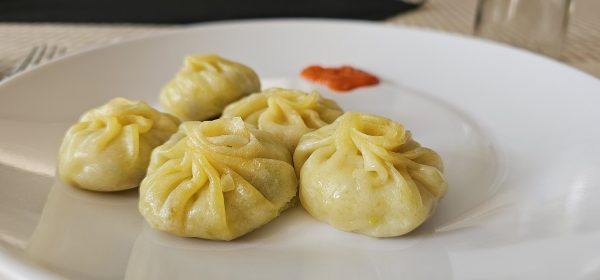
A simple, cheap local spot known for some of the best momos in the capital, steamed or fried, with meat or vegetable fillings.
Nothing matches these filters in Thimphu yet. Choose another type or a lower star rating.
Shops in Thimphu
3-
Markets & Crafts
Thimphu Handicraft Market
Thimphu Craft Bazaar: Traditional Craft Bazaar is located in Thimphu in the heart of the town near Taj Tashi.
-
Markets & Crafts
Jungshi Handmade Paper Factory
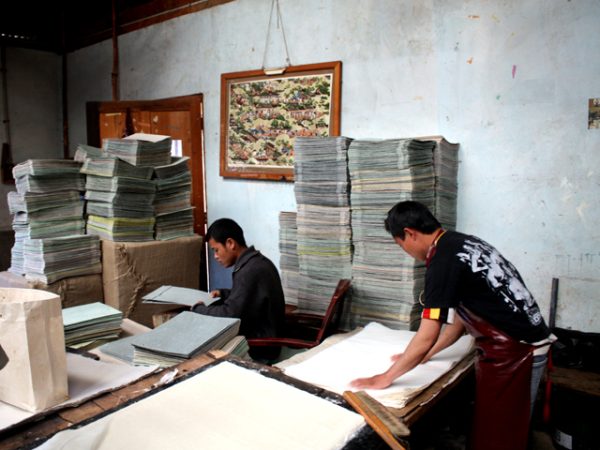
Paper Factory: Traditional papers were made from the daphne plant, using simple methods. Like rice papers, these papers are said to last longer.
-
Markets & Crafts
Weekend Market of Thimphu
The weekend market is in a permanent set of stalls north of Changlimithang Stadium. Vendors from throughout the region with varied products arrive on Friday and ends on Sunday afternoon.
Nothing matches these filters in Thimphu yet. Choose another type or a lower star rating.
Hikes & Treks around Thimphu
2In the order Windhorse recommends-
Day hike
Dodey Drak Monastery hike
The hike to Dodey Drak Monastery offers not only spiritual significance but also breathtaking views of the surrounding mountains and valleys.
-
Day hike
Lungchutse & Trashigang Gompa
Half day hike from Dochula to Lungchutse temple and to Trashigang Gompa monastery
Nothing matches these filters in Thimphu yet. Choose another type or a lower star rating.
Where to stay in Thimphu
5In the order Windhorse recommends-
Resort
Aman Kora Resort, Thimphu
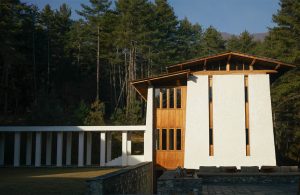
A total of 16 luxurious suites built among the blue pine forests of the Mothithang area outside of the city area.
-
Hotel
Capital Hotel
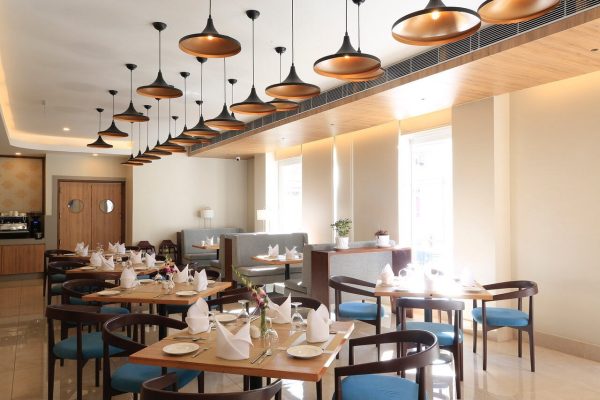
The Capital Hotel is a four-star boutique property, inaugurated in 2023, offering 40 elegantly designed rooms.
-
Hotel
Hotel Druk
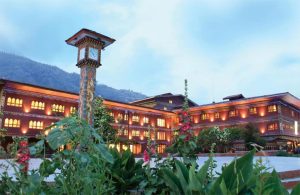
Hotel Druk a luxury four-star hotel is a part of the Tashi Group and has been in operation since 1985.
Nothing matches these filters in Thimphu yet. Choose another type or a lower star rating.
Where to stay in Thimphu, with levels, guest reviews and a map
Trips that visit Thimphu
- Bhutan Village TourDay 4: Punakha – Thimphu 9 days
- Snow Leopard Jomolhari TrekDay 5: Thimphu Valley Tour 14 days
- Bhutan Festival & Sikkim TourDay 07-08: Thimphu, the capital of Bhutan 17 days
- Drukyul Walking Tour BhutanDay 10-11: In Thimphu 13 days
- Three Himalayan KingdomsDay 11: Drive to Thimphu 15 days
- Bhutan Dragon Festival TourDay 9 & 10: Thimphu Valley 12 days
- Window to BhutanDay 1: Arrive in Paro – Thimphu 7 days
- Introduction of India, Bhutan & NepalDay 10: Drive to Thimphu 19 days