

Mongar
Eastern Bhutan
Set on a hillside at about 1,600 metres, Mongar is a lively regional centre and a natural stopping point on the journey between central and eastern Bhutan. Like many eastern Bhutanese towns and villages, it is built along sloping ground. The present town developed at its current site after the road was rebuilt, and now serves as the district headquarters and a shopping centre for residents of Mongar and neighbouring Kurtoe, in Lhuentse.
Mongar is small and pleasant to explore. Traditionally painted and decorated shops line the main street, while rows of tall eucalyptus trees around the town offer shelter from the wind. The town’s location at a meeting point for different communities is reflected in its languages: people may speak several local dialects, including Tsangla, Kheng and Kurtoep, as well as Dzongkha.
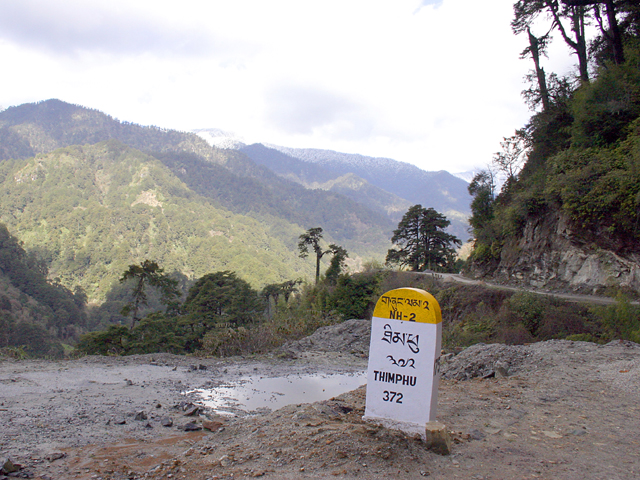
For many travellers, reaching Mongar is a highlight in itself. The road from Bumthang crosses Thrumshing La, a high mountain pass, then winds down through forests and dramatic valleys toward the eastern foothills. The drive brings striking changes in scenery and climate, but it is long and winding, so allow time to stop and enjoy the views.
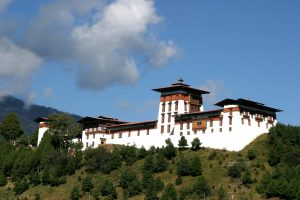
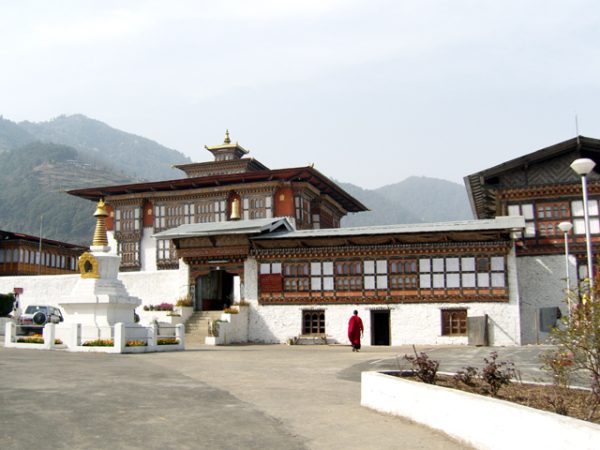
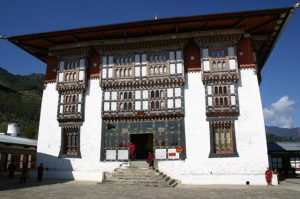
Mongar Dzong is the town’s main landmark. Built in the 1930s, it is one of Bhutan’s newer dzongs, yet follows traditional design and construction methods. Unlike many fortresses positioned on prominent ridges, Mongar Dzong stands on a gentle slope. Its courtyards and carved details offer a chance to appreciate Bhutanese architecture in a setting that remains part of daily religious and administrative life.
Nearby, Yagang Lhakhang is an important temple associated with the Pema Lingpa tradition and known for its sacred objects. Further afield, Drametse Lhakhang is a significant monastery and festival site, while the ruins of Zhongar Dzong recall the region’s earlier history. These visits reveal a quieter, less-visited side of Bhutan’s religious heritage.
Mongar is also a useful base for exploring the surrounding countryside. The district’s forested hills and varied elevations support rich biodiversity, and areas such as Yongkola are known among birdwatchers. Local crafts and woodwork reflect the traditions of eastern Bhutan, while nearby villages offer glimpses of rural life beyond the town.
A night or two in Mongar breaks up the long drive across the country and gives visitors time to explore at an unhurried pace. From its hillside dzong and painted shopfronts to the high pass and deep valleys beyond, Mongar offers a rewarding introduction to Bhutan’s east.
- Best time to visit
- September to May
- Getting there
- By road from Bumthang over Thrumshing La, about 6 to 7 hours
- Suggested stay
- 1 night
Places in and around Mongar
Groups always run in this order. Inside each group, the must-see picks come first; hikes and places to stay follow the order Windhorse recommends.
Sights and attractions in Mongar
4-
Sight
Mongar to Bumthang Road
Begin your journey early to tackle the longest leg with ease. Get ready for one of Bhutan's most picturesque drives!
-
Sight
Mongar to Trashigang
The distance between Mongar and Trashigang is approximately 90 kilometers, with an expected travel time of over 3 hours.The road from Mongar ascends past fields to Kilikhar, where…
-
Temples & Monasteries
Drametse Goemba
Drametse is one of the largest and most important Nyingma Monastery in Eastern Bhutan.
-
Dzongs & Fortresses
Mongar Dzong
Unlike most of the dzongs in Bhutan, which were mostly built in the 17th century, Mongar Dzong was established in 1930 to replace the original Shongar Dzong.
Nothing matches these filters in Mongar yet. Choose another type or a lower star rating.
Where to stay in Mongar
1In the order Windhorse recommends-
Hotel
Hotel Norphel
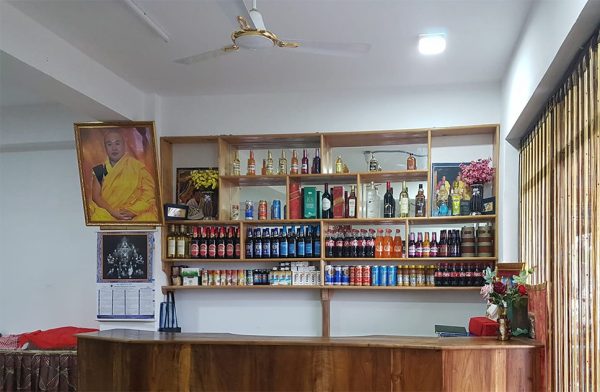
Hotel Norphel is new property in heart of Mongar town. Among the facilities of this property are restaurant which serves Indian, Bhutanese, Chinese and continental cuisine.
Nothing matches these filters in Mongar yet. Choose another type or a lower star rating.
Where to stay in Mongar, with levels, guest reviews and a map